Maintaining a city is no less than running a kingdom however multiple operations go overlooked. As modern cities rapidly transform, it is essential to keep pace with the changing standards. Smart cities come with numerous challenges, including repairing roads, maintaining hygiene & cleanliness conditions, clearing waste, and ensuring the city remains functional. Maintaining scheduled maintenance tasks for public safety following the traditional methods, are becoming obsolete. They used to mainly rely on manual inspections, reactive responses, and effective human resources.
With the advent of the Computer Vision Development Services, city planners and urban maintenance authorities are focussing on technologies that automated city maintenance.
Enter the era of Artificial Intelligence and Vision AI algorithms. This blogpost shares a glimpse of how computer vision powered by AI is influencing the city infrastructure.
What is computer vision & its need for city maintenance?
As a branch of AI, computer vision provides a more advanced approach to everyday maintenance in smart cities. Automatically detecting glitches and tracking issues, vision AI helps to streamline city operations effectively.
As a part of the living infrastructure, a city teems with bridges, roads, waste systems, and other utilities. Vision AI enables proactive maintenance, detecting minor issues such as overflowing bins, potholes, streetlights, and many more.
How does computer vision empower urban maintenance?
Nowadays, urban authorities are utilizing technologies for comprehending city infrastructure. Automatically detecting graffiti through aerial images, it assists city teams to keep public spaces clean and maintained.
Automated infrastructure monitoring
Sensors and cameras integrated across the city are capable of detecting road cracks, bridge deterioration, damaged sidewalks, and so forth.
Smart waste management
Computer vision-enabled systems are empowered to detect overflowing of bins, optimize garbage truck routes, and prevent overflowing of waste.
Traffic & public safety
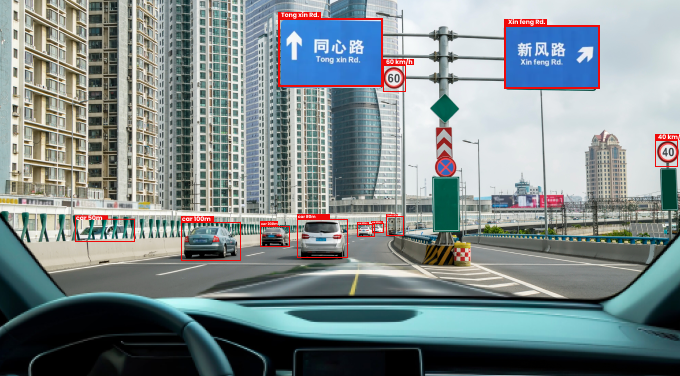
Right from detecting wrong parking to spotting damaged traffic signals, our vision AI systems can help cities create a safer traffic infrastructure.
The application of computer vision in city maintenance applications
As we move forward to the way vision AI supports advanced city planning, it's time to explore some real-world applications.

Computer vision for public road works
A city functions smoothly only when it has well-maintained roads and managed traffic. With modern AI-powered drones and overhead cameras powered by vision AI systems, city planners detect problems immediately, advance safety measures, diminish congestion, and make repairs faster. As a reputed computer vision software development company, Nextbrain emphasizes how Vision AI is transforming across different sectors. From identifying issues to generating insightful reports and heatmaps, it has truly boosted road maintenance.
City infrastructure inspection with AI
Within a city, it becomes very difficult to maintain underground drains. Computer vision makes the inspections more effective. Drones with sensors, cameras, and LiDAR (Light Detection & Ranging) systems are generally used to gather real-time data on gas levels and damage.
Urban planning & monitoring
For modern urban planning, it requires an advanced strategy to create a smart infrastructure unfathomed by road blockages, irregular waste management, and illegal construction. The rising tactic to mitigate such issues, computer vision operates to create aerial images with AI-powered drones. It enables city management authorities to respond prior to issue escalation.
Waste management optimization
Smart cameras are installed automatically for gathering waste and detecting overflowing bins. It can seamlessly predict collection schedules and create a timeline for on-time waste collection. With vision AI algorithms, it promotes hygienic public spaces.
Public lighting & utilities
AI-powered cameras are capable of identifying malfunctioning lights across the streets or alleys. On detection of any public lighting malfunctions, it immediately notifies the authorities for prompt action. It minimizes downtime and promotes a safer urban infrastructure.
Flood & Drainage monitoring
By analyzing visual data from drainage systems, computer vision can detect blockages and assist authorities in taking preventive measures in flood-prone areas.
As a leading AI Development Company, we have kept our eyes open for real-world applications too.
- Singapore is on its peak in integrating computer vision into traffic management for diminishing congestion and maintaining road safety.
- In Spain, Barcelona leverages AI-powered bins to detect full-bins and notify waste collection teams when they are full.
- In the USA, New York city is deploying AI sensors for monitoring building structures and preventing collapses.
The future of urban intelligence with computer vision AI
The computer vision system integrates with IoT, drones, and edge computing to bring autonomous operations to the future of smart city maintenance. By embedding Vision AI into the urban fabric, cities can gain a deeper understanding of their dynamic environments.
With smart surveillance, AI-powered traffic monitoring systems lower loopholes and promote automated inspection of bridges and roads that can be challenging with manual supervision. Additionally, computer vision algorithms contribute significantly to optimizing energy usage and improving overall waste collection systems.
Final thoughts
By turning visual data into actionable insights, computer vision empowers urban planners as well as authorities for creating smarter and safer environments. With the growing adoption, AI can complement the technologies by enabling city planners and advancing public services. In the future, autonomous drones and connected camera networks will work together to create truly self-sustainable urban ecosystems. Explore diverse applications associated with AI across the city infrastructure and computer vision in healthcare at distinct stages.
Frequently asked questions
What is computer vision in city maintenance?
Computer vision allows machines to interpret and analyze visual data. It assists in detecting glitches such as broken streetlights, damaged infrastructure, and overflowing bins. It analyzes images and video feeds from drones and sensors.
How does computer vision assist citizens directly?
Several citizens take advantage of cleaner streets, safer roads, and overall advanced urban services. Integrating computer vision algorithms can result in higher satisfaction and improved quality of life across cities.
What are the major instances of computer vision applications in urban areas?
Computer vision applications mainly involve monitoring waste bin levels for optimized collection, scanning road cracks, inspecting bridges & buildings for structural damage, monitoring drainage systems for blockages, and many more.
Can computer vision assist with sustainability in cities?
Yes, by optimizing waste collection routes and preventing large-scale infrastructure, computer vision effectively contributes to environmental sustainability.
What are the challenges in embracing computer vision for city maintenance operations?
Vision AI systems are bringing major transformation to smart city infrastructure. However, it comes with a lot of challenges, which mainly involve data privacy concerns, high implementation costs, and embedding AI systems with existing city infrastructure. With technologies becoming more affordable, implementation is growing rapidly.
How do AI video analytics solutions determine the future of urban maintenance?
As a transformative force, computer vision powered by AI uses algorithms to provide predictive maintenance, integration with 5G, and autonomous drones for large-scale inspections. Not only does it offer a proactive approach to city maintenance and promotes seamless operations. As a leading Computer Vision Development Company, we focus on creating smarter and resilient city environments.



Saran
December 15, 2025 Author